In pictures: Pakistanis embrace quiet moments of prayer, sehri and iftar during Ramazan
Get link
Facebook
X
Pinterest
Email
Other Apps
Ramazan, the ninth month of the Islamic calendar, is a time when Muslims fast from dawn to sunset, focusing on prayer, charity and deepening their connection with the Almighty.
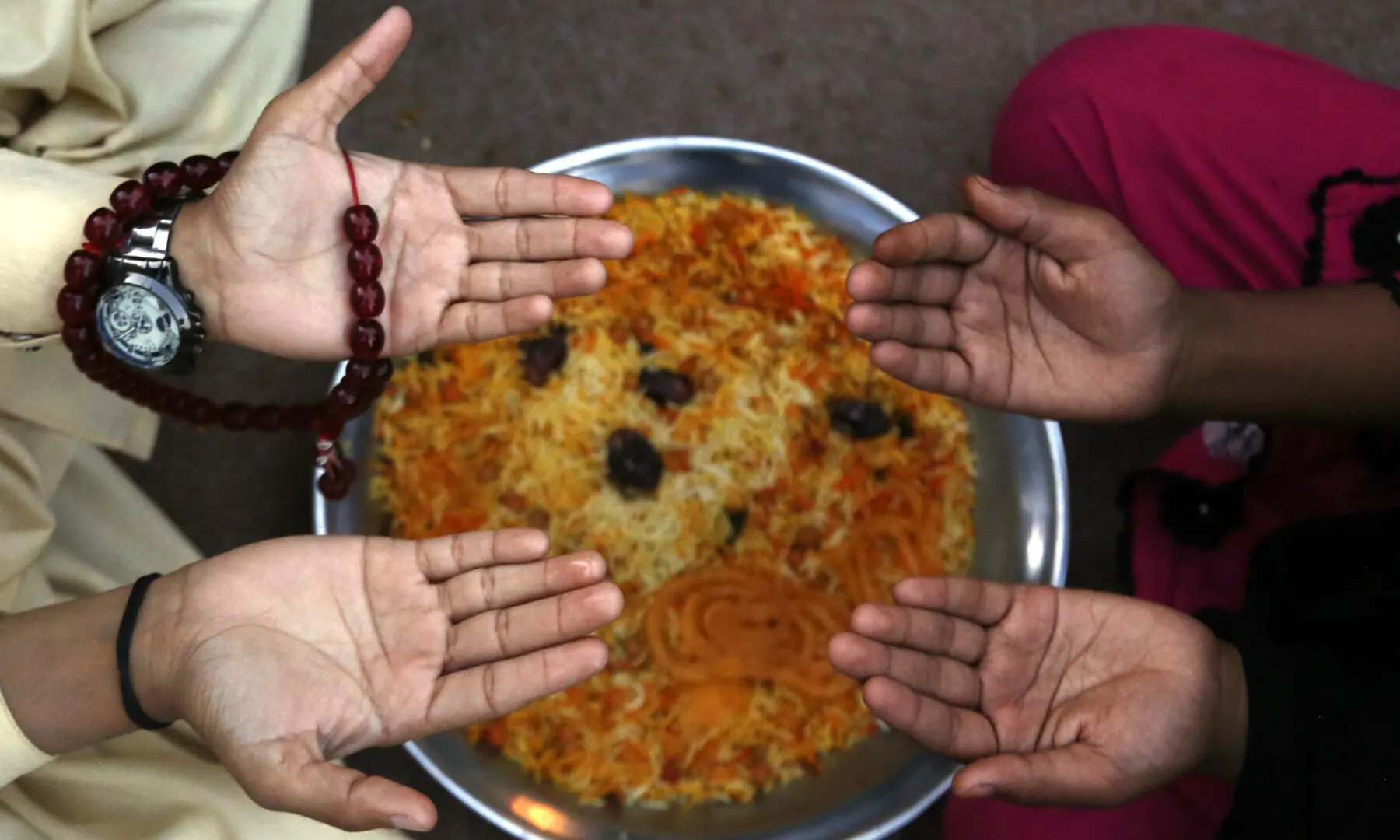
Homes and mosques come alive with pre-dawn meals (sehri) and the evening ritual of breaking the fast.
Across Pakistan, communal iftars bring people together, as neighbours, friends and even strangers share meals to end the day’s fast. Held in mosques, community centres and public spaces, these gatherings are about more than just food, as they nurture unity, strengthen bonds, and foster a sense of togetherness.
They also create spaces for conversation, understanding and generosity, embodying the spirit of the holy month.
Photographs from cities across Pakistan capture these quiet, meaningful moments: prayers in reflection, the preparation of iftar, the laughter and chatter around shared tables, and the calm anticipation as the sun sets.
Together, they paint a picture of Ramazan as a time of patience, gratitude, humility and spiritual renewal.
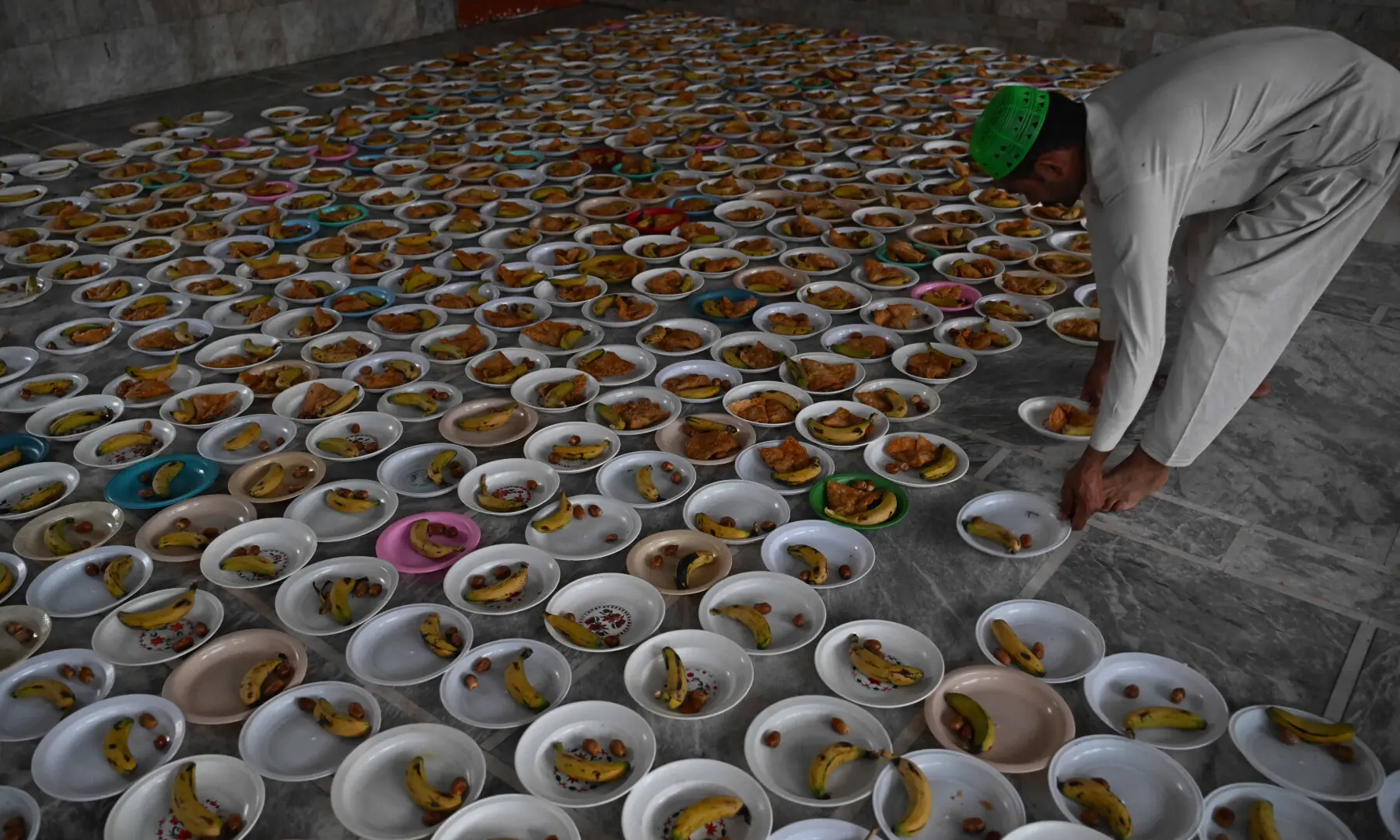
A man arranges iftar plates in a mosque on the first day of Ramazan, at the Data Darbar. — Arif Ali / White Star
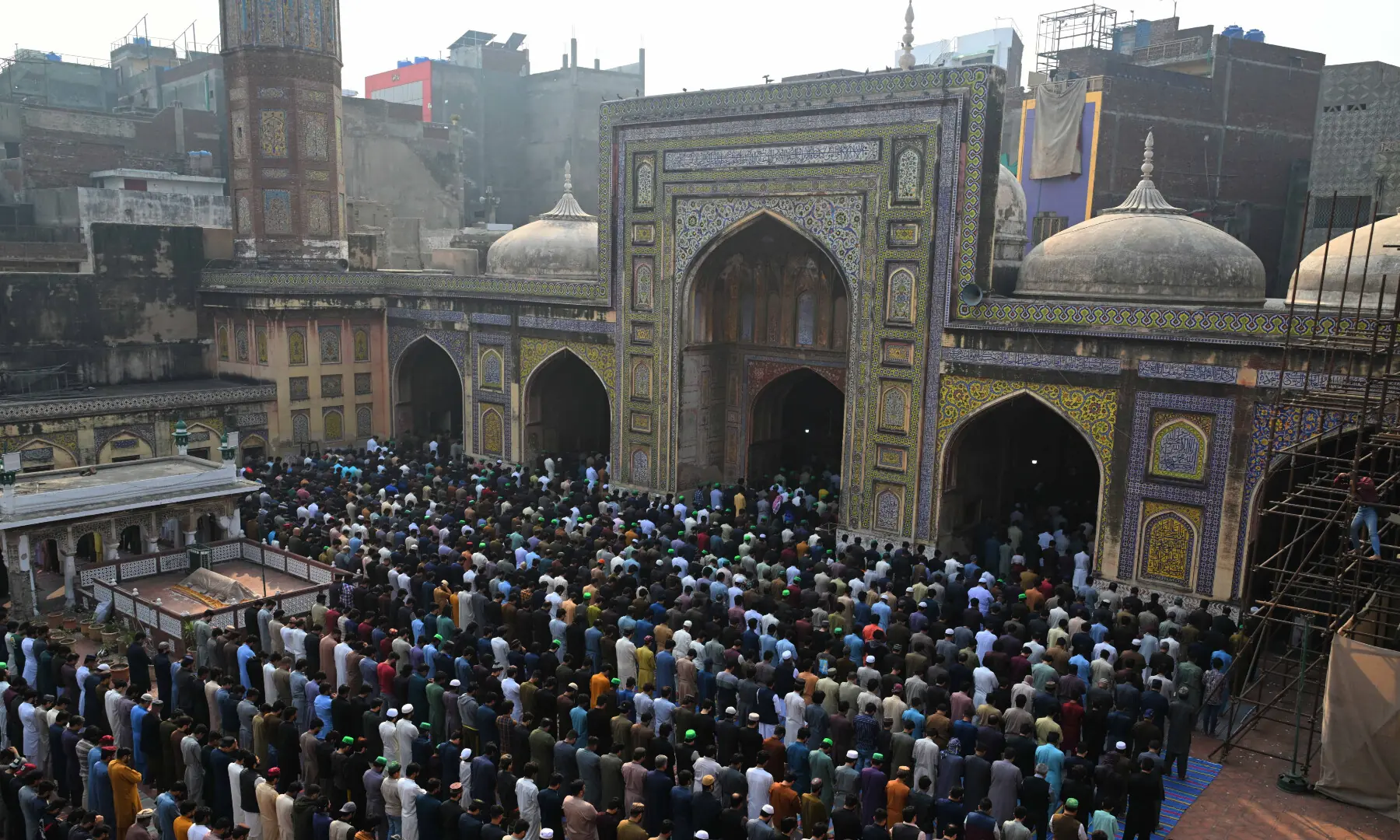
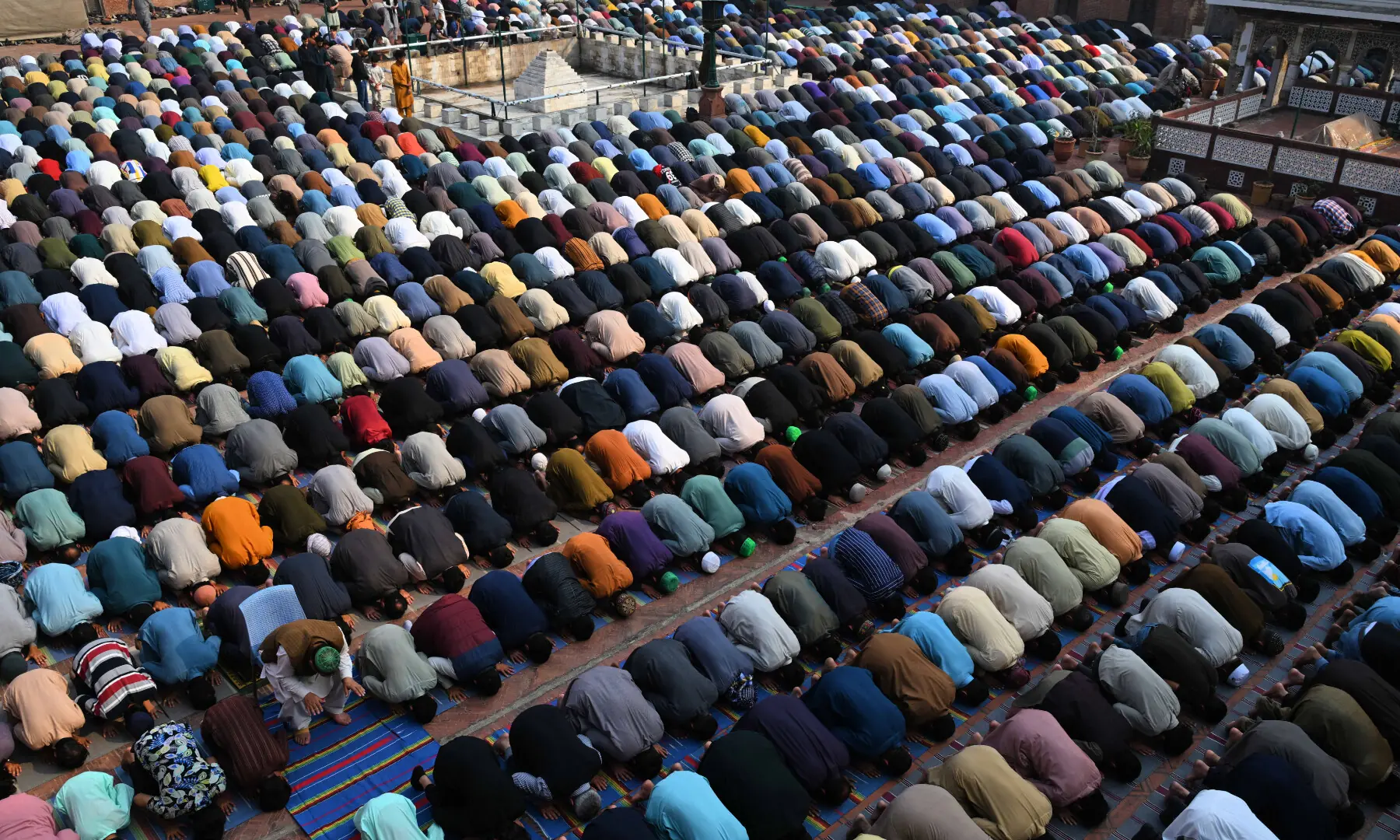
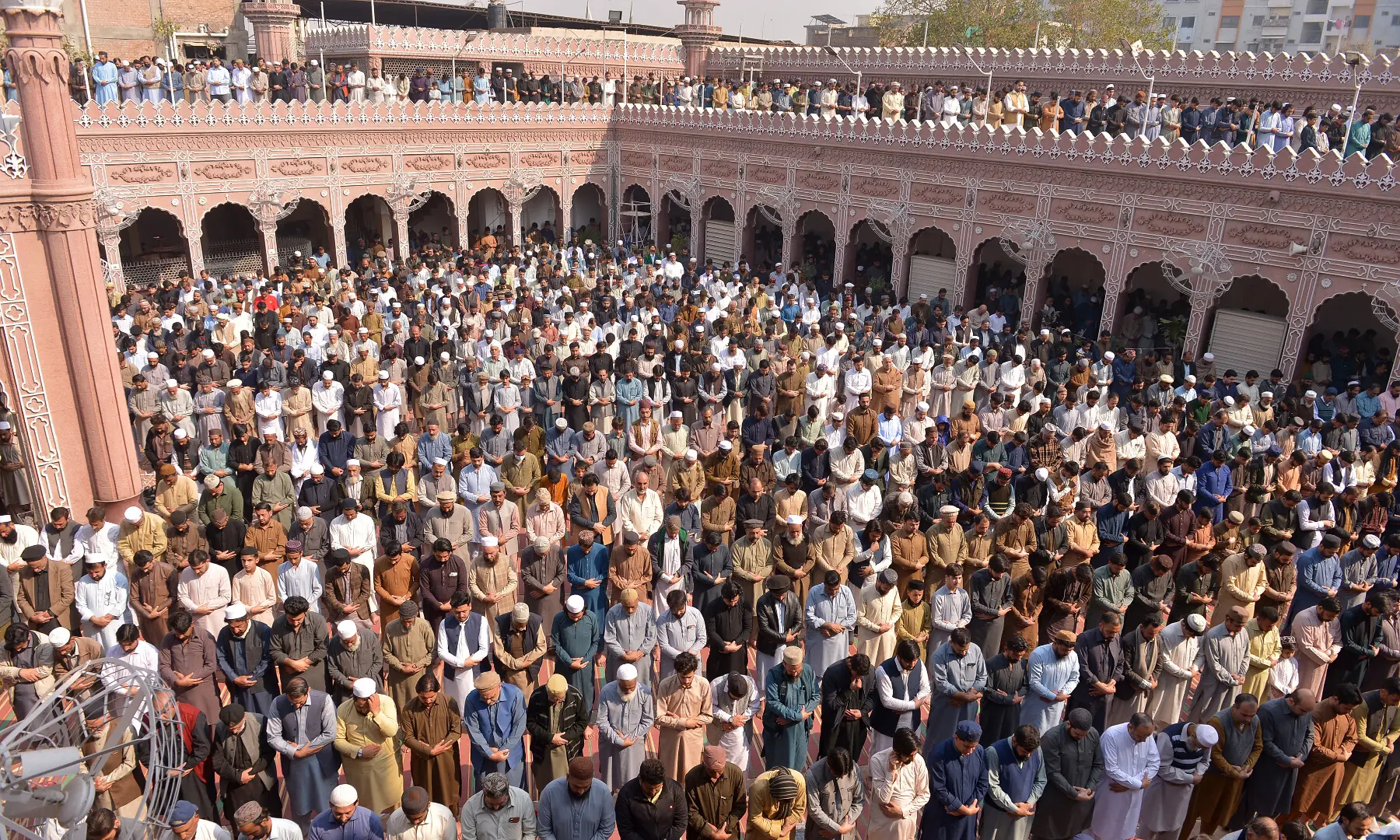
Muslim devotees offer the first Friday prayers during the Islamic holy fasting month of Ramazan at Lahore’s Wazir Khan Mosque. — Arif Ali / White Star
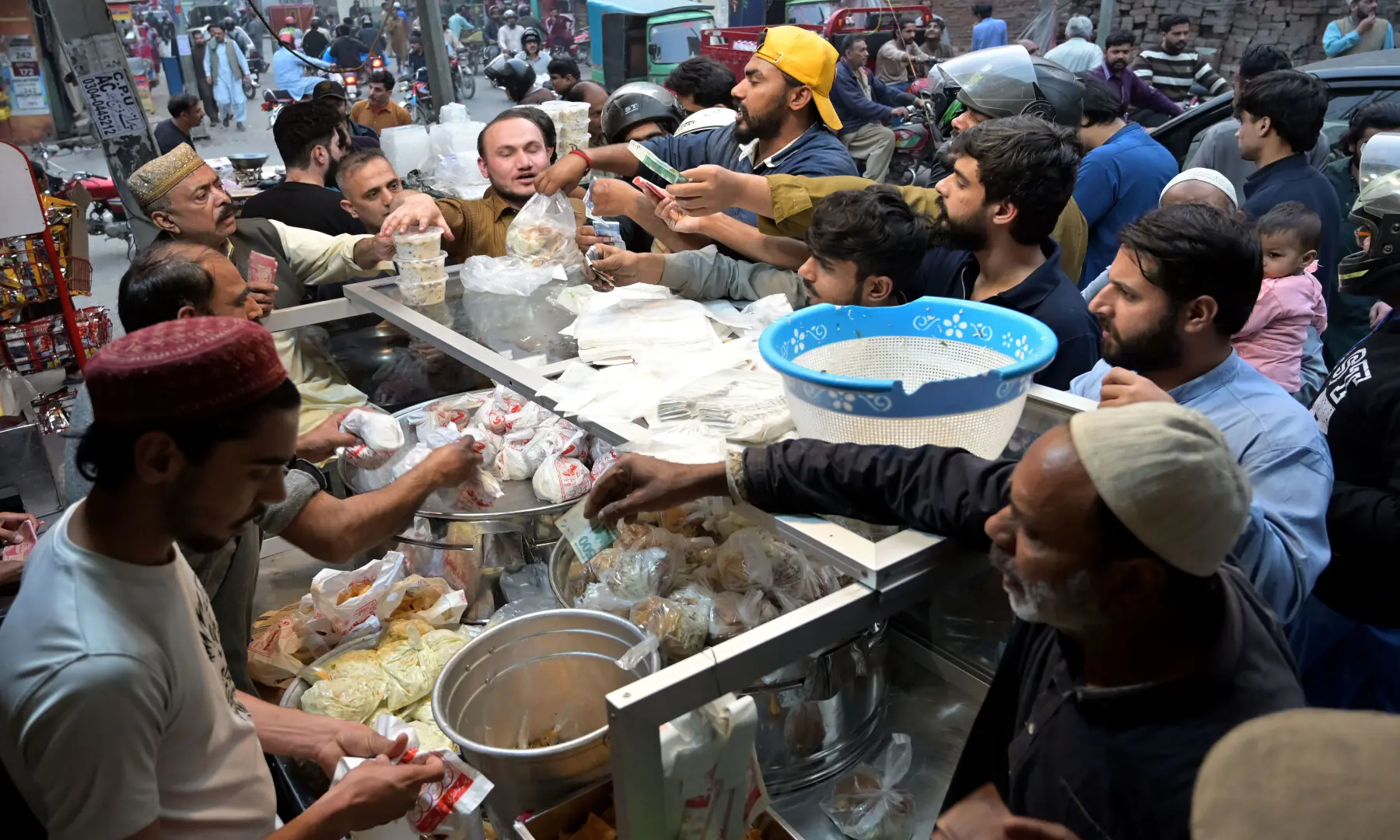
People buy Iftar food before breaking their fast on the first day of the Islamic holy month of Ramazan, at Lahore’s Lakhshami Chowk. — Arif Ali / White Star
Muslim devotees offer the first Friday prayers during the Islamic holy fasting month of Ramazan at Lahore’s Wazir Khan Mosque. — Arif Ali / White Star
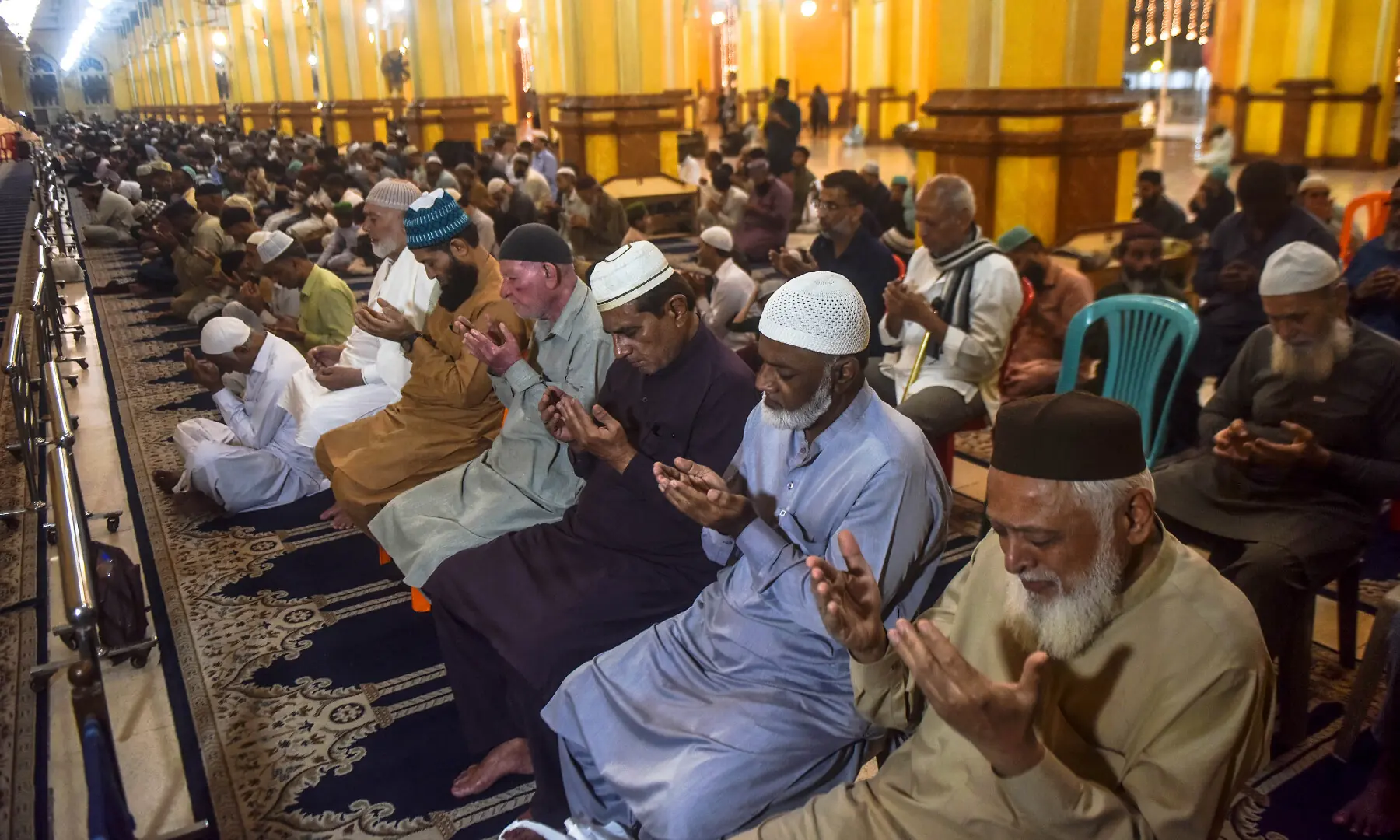
People offering taraweeh at Karachi’s New Memon Masjid. — Fahim Siddiqui / White Star
People offer prays on occasion of first Friday prayer of Ramazan at Lahore’s Sunehri Masjid on Friday. — Shahbaz Butt / White Star
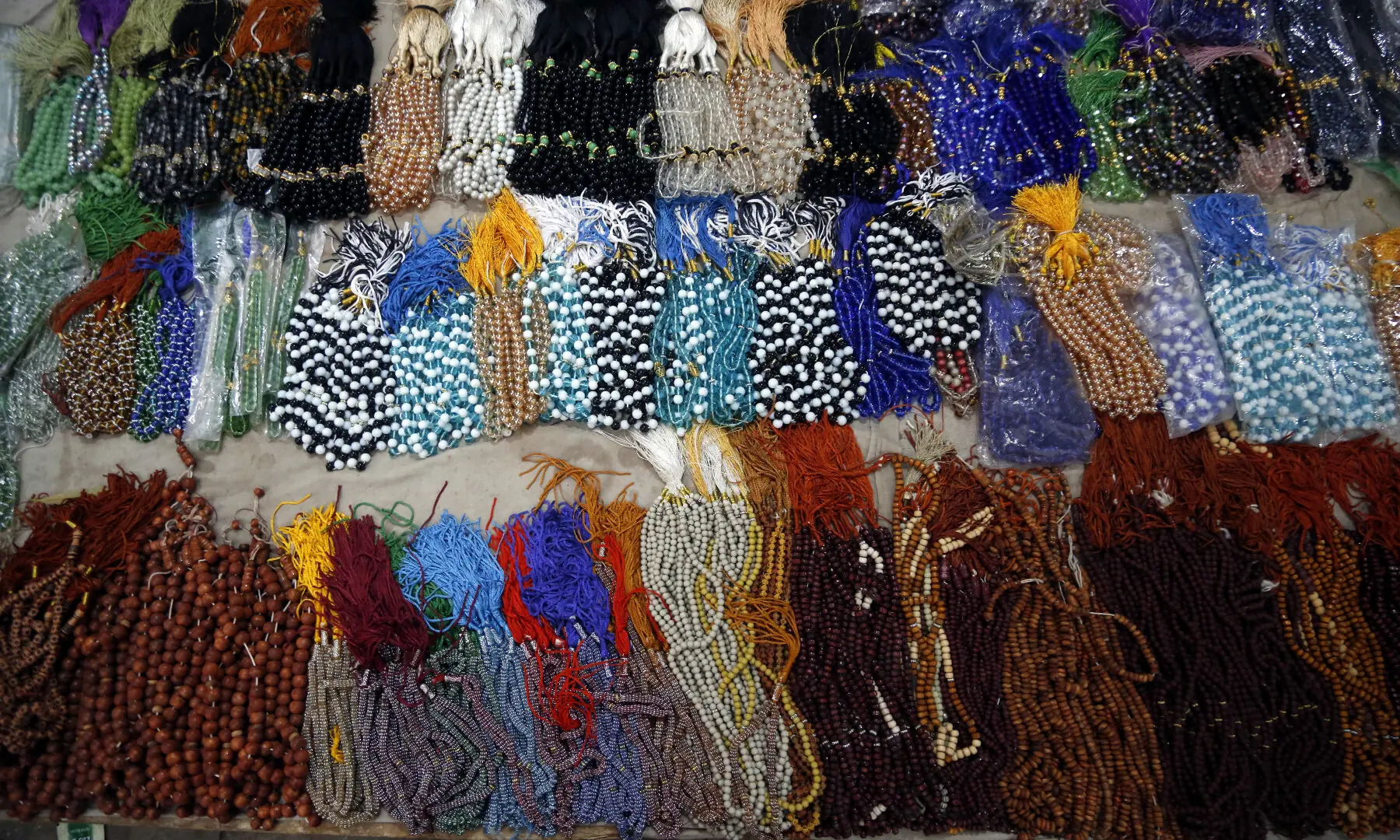
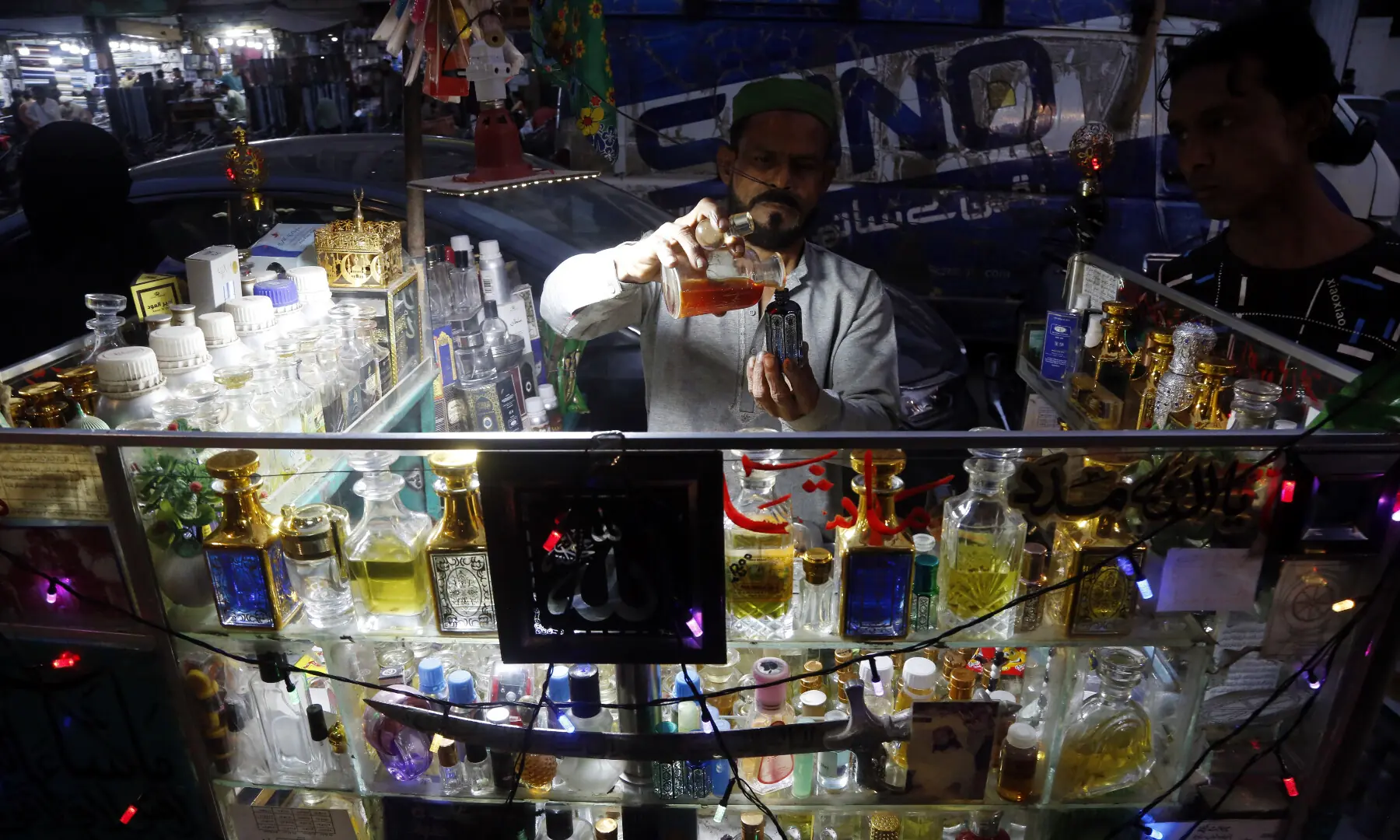
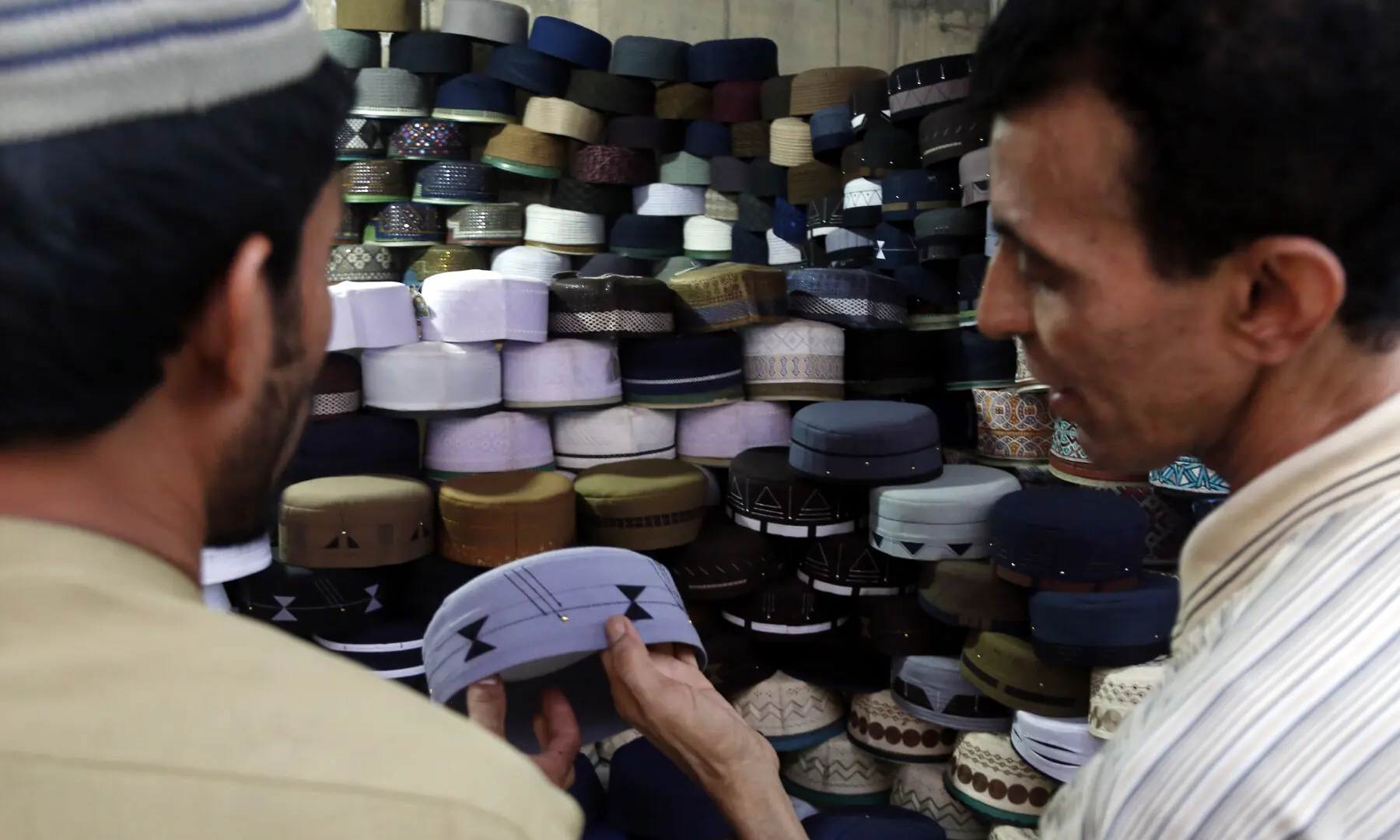
Hats, tasbeehs and ittars are being sold near Memon Mosque in Karachi in connection with Ramazan. — Shakil Adil / White Star
Hats, tasbeehs and ittars are being sold near Memon Mosque in Karachi in connection with Ramazan. — Shakil Adil / White Star
Hats, tasbeehs and ittars are being sold near Memon Mosque in Karachi in connection with Ramazan. — Shakil Adil / White Star
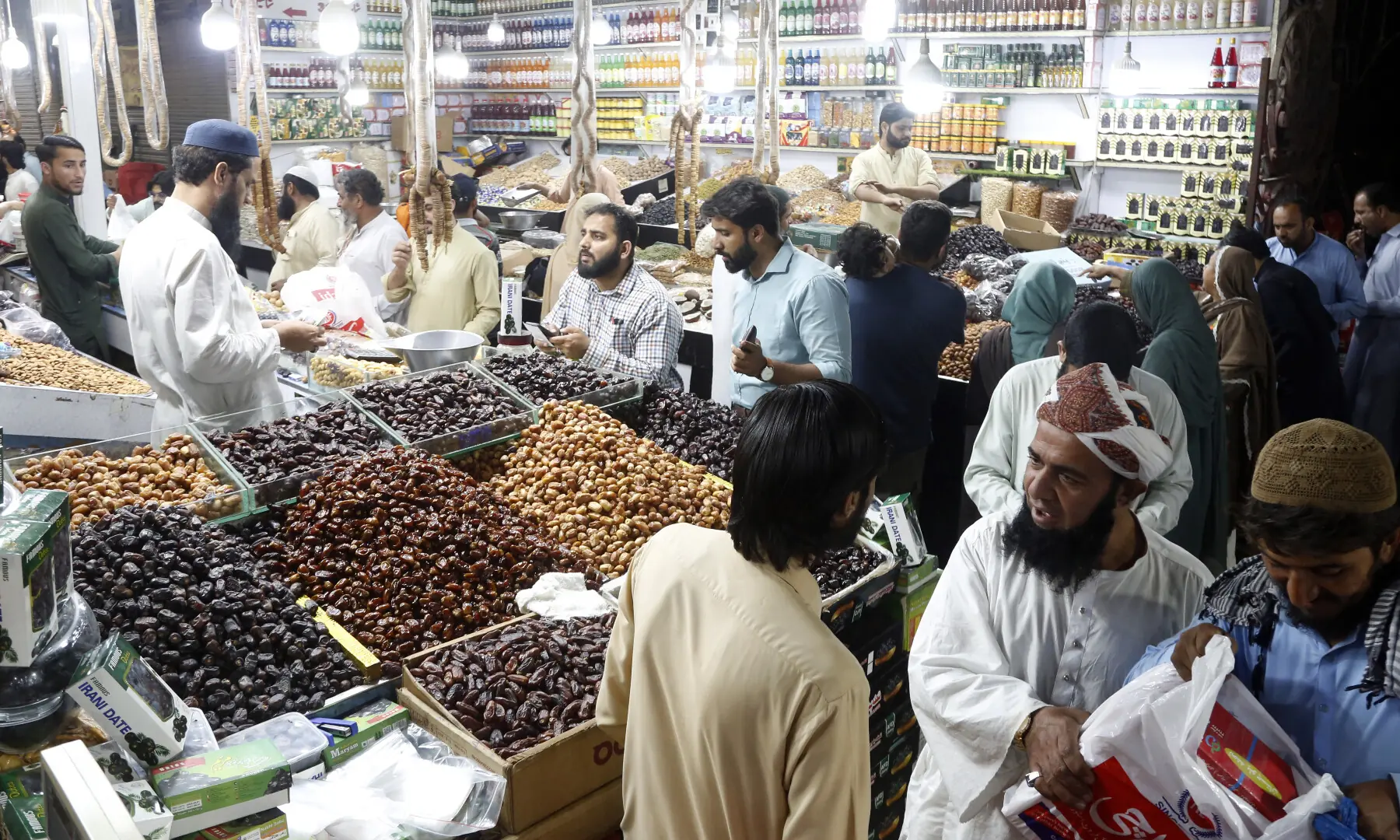
A large number of Karachi residents are buying dates for Ramazan at the Empress Market. — Shakil Adil / White Star
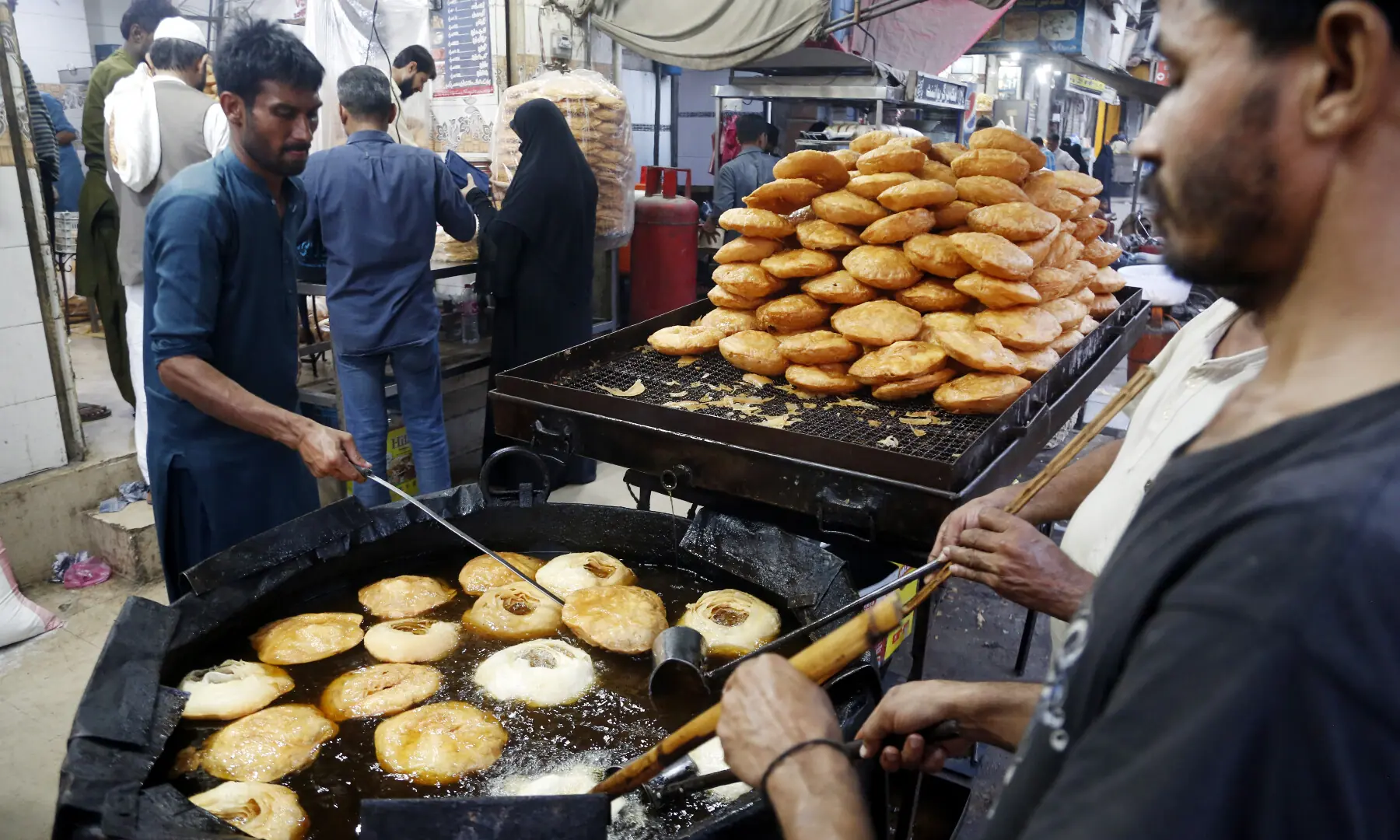
After the sighting of the moon of Ramazan in Karachi, khajla and pheni are being prepared for fasting people near Karachi’s Lighthouse market. — Shakil Adil / White Star
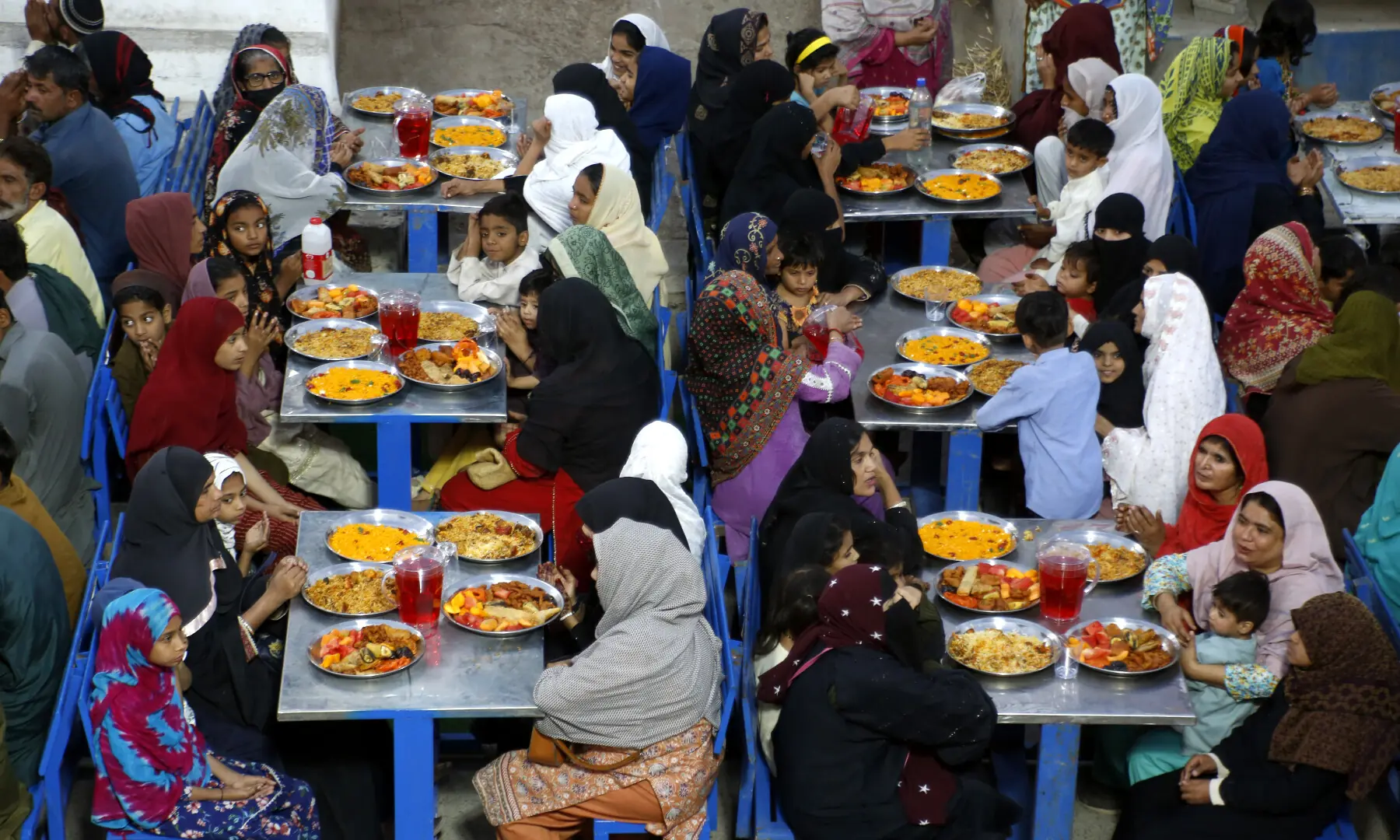
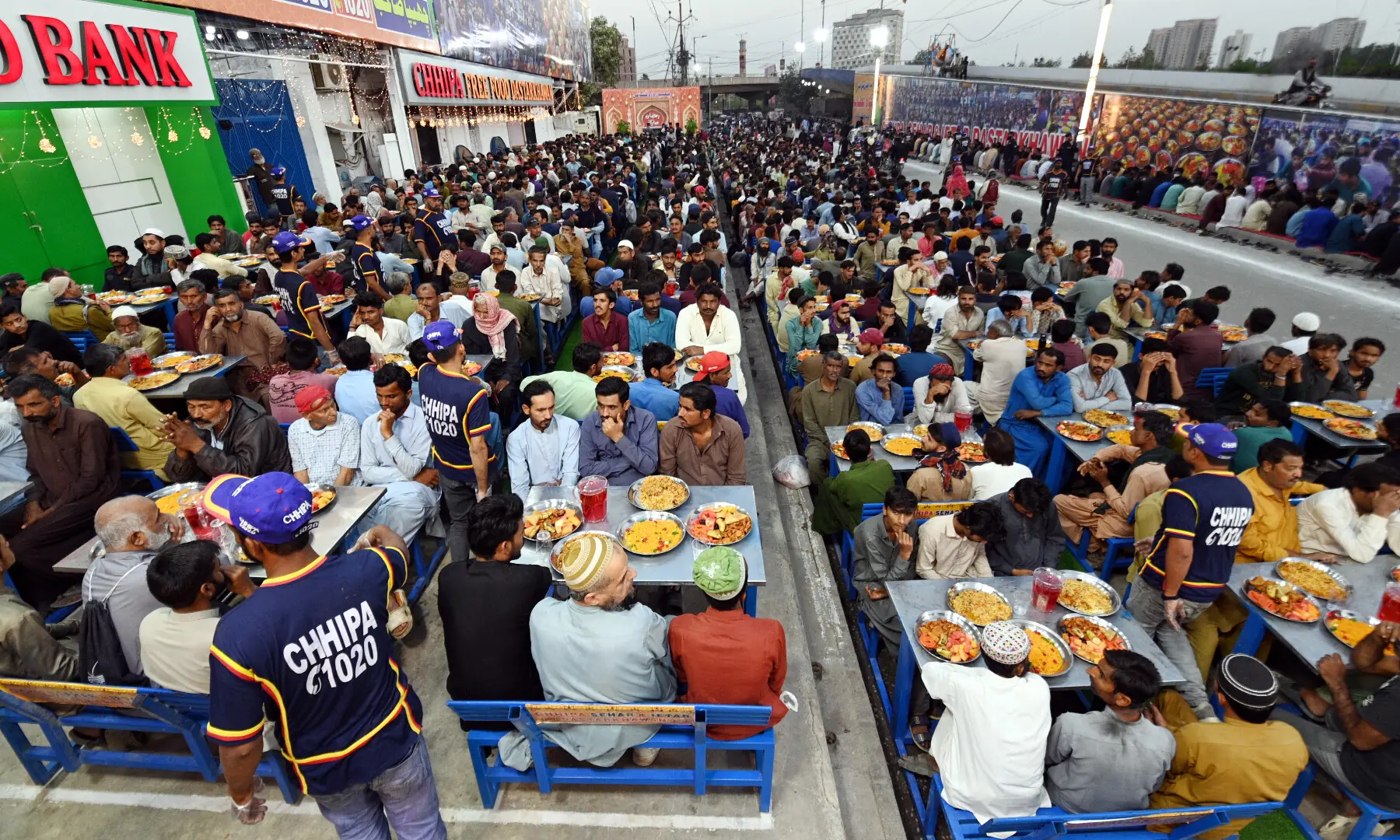
A large number of citizens, women, children and men, are breaking their fast on the first day of Ramazan at the Chhipa Welfare table near FTC Mor in Karachi. — Shakil Adil / White Star
A large number of citizens, women, children and men, are breaking their fast on the first day of Ramazan at the Chhipa Welfare table near FTC Mor in Karachi. — Shakil Adil / White Star
A large number of people are breaking their fast on the occasion of the second fast of Ramazan, organised by JDC at Karachi’s Naumaish Chowrangi. — Shakil Adil / White Star
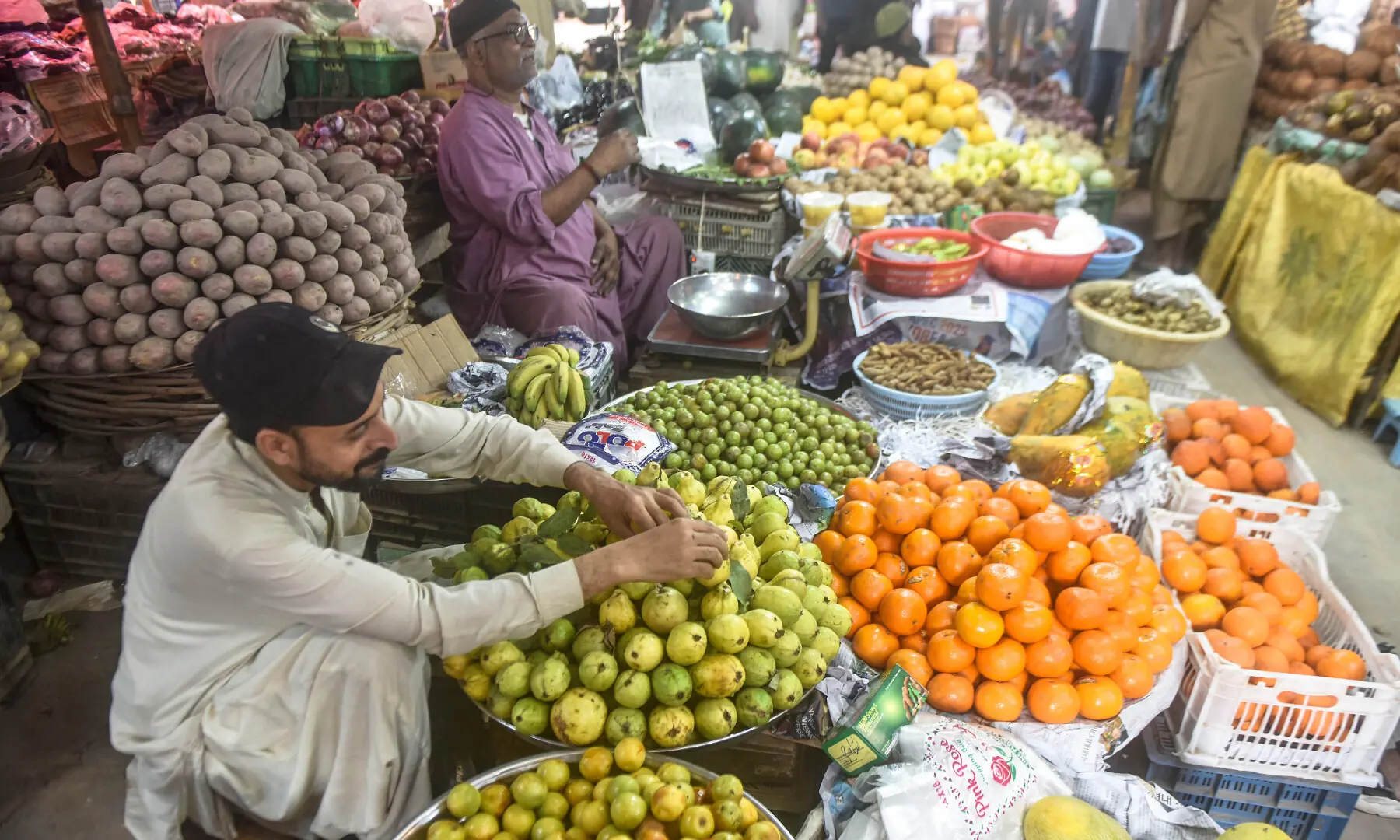
A vendor arranges fruits to attract customers in Karachi. — Fahim Siddiqui / White Star
Header image: Muslim devotees break their fast on the first day of the Islamic holy fasting month of Ramazan at Lahore’s Data Darbar. — Arif Ali / White Star
THE latest attack this week on a D.G. Khan cement factory convoy by the notorious Ladi gang , which clearly intended to kidnap employees and extort ransom from the factory management, underscores the deteriorating law and order conditions in the district. The raid by criminals armed with automatic weapons, which followed a string of over 30 attacks on police in the area in the first half of 2025 by the banned TTP, is a grim reminder of the ever-deepening security vacuum in the area amid a jurisdictional dispute between law-enforcement agencies. The raid is evidence of the growing nexus between militant outfits operating in the area and local criminal gangs, often backed by powerful local tribal elders and politicians. Spiralling lawlessness underlined by numerous gang assaults on industrial establishments — as well as the kidnapping and killing of factory staff — in recent years speaks volumes for the operational freedom these gangs and militant outfits enjoy in the area. More dis...
President Donald Trump on Monday declined to dismiss speculation that he would seek a third term and said he hadn’t considered whether he would go to court to contest the US constitution’s two-term limit for presidents. Here is a look at the legal barriers Trump faces. What does the US constitution say? The 22nd Amendment states in part: “No person shall be elected to the office of the President more than twice.” The amendment was ratified in 1951 after President Franklin D. Roosevelt broke with a self-imposed two-term limit set by presidents since George Washington, the nation’s first. Roosevelt, a Democrat who was president during the Great Depression and World War Two, served a third term and then died months into his fourth term in 1945. Wayne Unger, a law professor at Quinnipiac University, said the Constitution was clear that presidents are limited to two terms of four years each. He said that while that had not been tested in court, any challenge by Trump would likely be ...
• Qatar emerges as dealmaker, helping broker US contacts with Iranian regime • Questions linger over terms of ceasefire, future of Tehran’s nuclear ambitions DOHA / WASHINGTON: Iran’s ‘ strike ’ on the US military base in Qatar was carefully calculated to provide an exit from hostilities with Washington and set up a truce with Israel, according to analysts and officials with knowledge of the matter. The missile launches were signalled well in advance, minimising the risk of injury and giving every opportunity to shoot down the projectiles — resulting in a fireworks display of booms and flashes above Doha. They followed heavy US strikes on Iranian nuclear facilities at the weekend, a sudden escalation that raised concerns about how Tehran would respond after more than a week of exchanges with Israel. It would seem that Qatar, located across the Persian Gulf, held the answer in the form of Al Udeid, the Middle East’s biggest US base and headquarters of its regional command. Target...
Comments
Post a Comment